.png)
Introduction to Blood Cancer
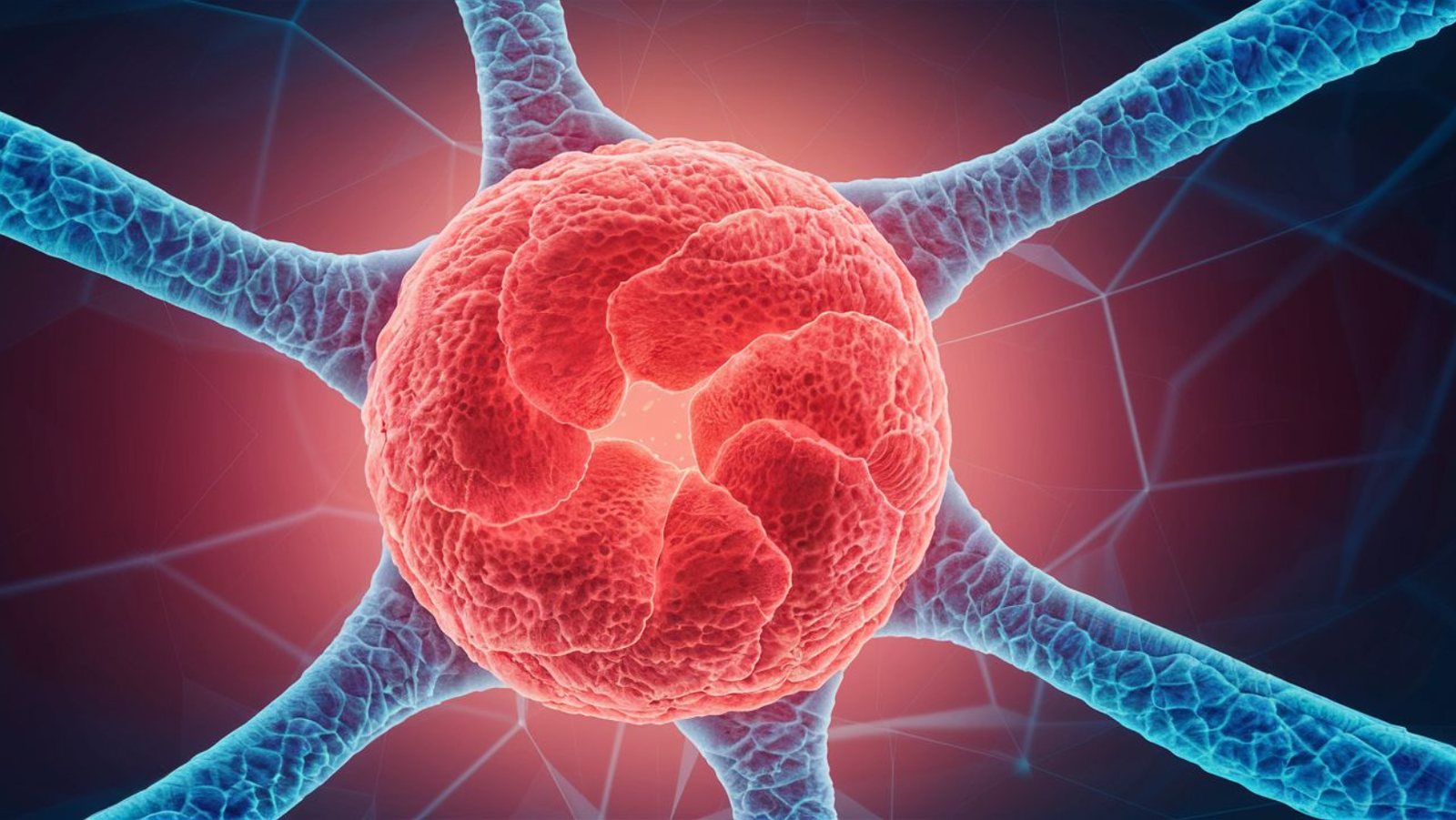
Blood cancer refers to a group of cancers affecting the blood, bone marrow, or lymphatic system. These include leukemia, lymphoma, and myeloma.
Unlike solid tumors, blood cancers disrupt normal blood cell production and immune function. Early detection can significantly improve outcomes, making awareness crucial.
This guide provides insights into symptoms, diagnostic methods, treatment options, and coping strategies. It aims to inform and empower patients and caregivers alike.
Types of Blood Cancer
Leukemia
Leukemia is a type of blood cancer that primarily affects white blood cells. It can be acute or chronic and may occur in children or adults. Acute leukemia progresses rapidly, requiring immediate attention, while chronic leukemia develops more slowly.
Treatment often involves chemotherapy, targeted therapy, and in some cases, stem cell transplants. Early diagnosis can improve survival rates significantly.
Lymphoma
Lymphoma originates in the lymphatic system, which is part of the immune system. There are two main types: Hodgkin lymphoma and non-Hodgkin lymphoma. Symptoms may include swollen lymph nodes, fever, and fatigue.
Treatment may include chemotherapy, radiation therapy, and immunotherapy. Recent advancements have introduced highly effective targeted therapies.
Myeloma
Myeloma affects plasma cells in the bone marrow, disrupting normal blood production. Common symptoms include bone pain, frequent infections, and fatigue.
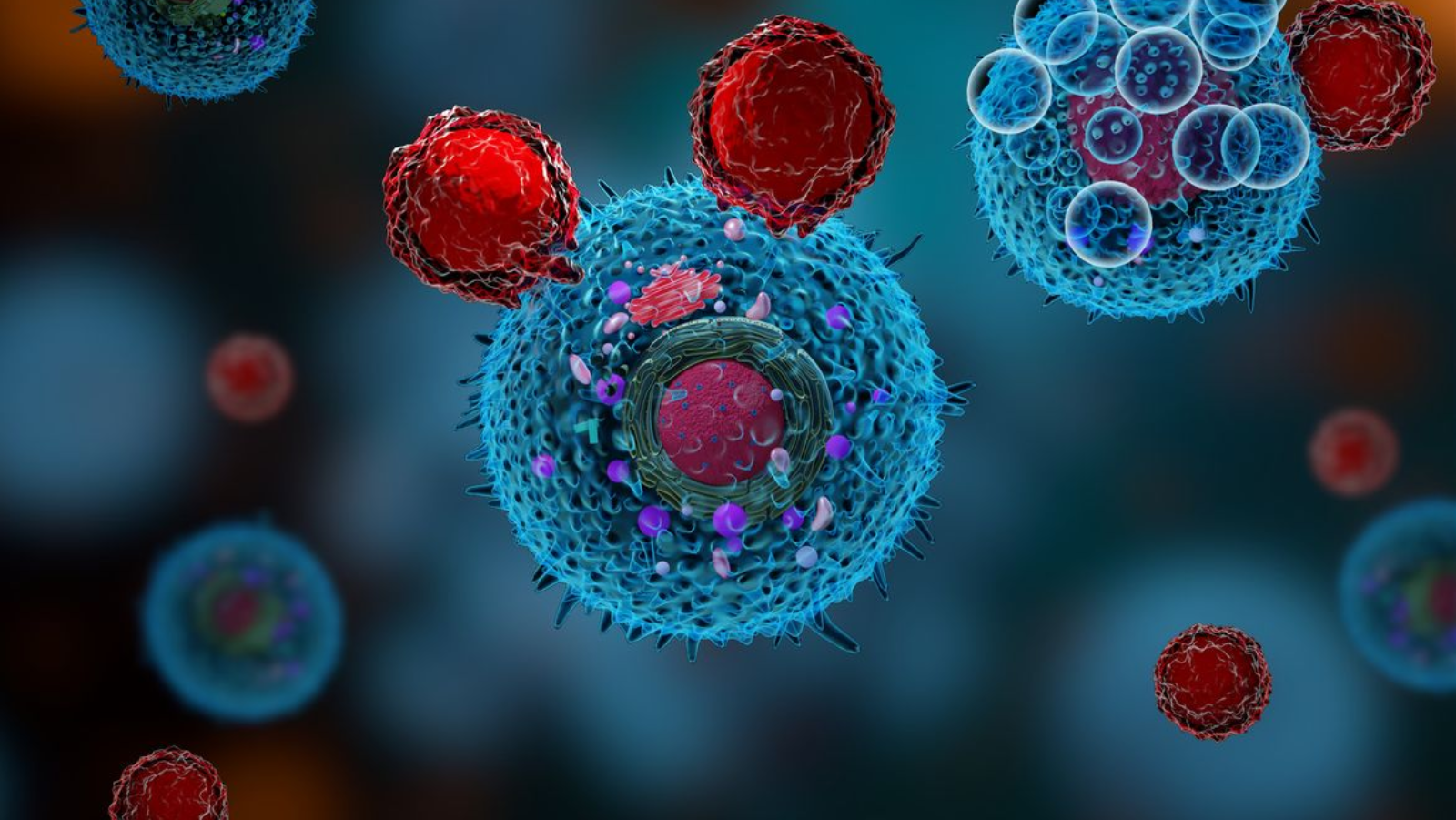
Treatment options include chemotherapy, steroids, and stem cell transplants. Newer therapies, such as CAR-T cell therapy, are showing promise.
Blood Cancer Treatments
Chemotherapy
Chemotherapy uses drugs to kill or slow the growth of cancer cells. It is a common treatment for many blood cancers and may be used alone or in combination with other therapies.
While effective, chemotherapy can have side effects, including nausea, fatigue, and increased infection risk. Supportive care measures can help manage these effects.
Radiation Therapy
Radiation therapy uses high-energy beams to target and destroy cancer cells. It is often used to treat localized disease or to prepare patients for stem cell transplants.
This treatment is typically well-tolerated, though side effects may include skin irritation and fatigue. Advances in technology have improved precision and reduced complications.
Stem Cell Transplants
Stem cell transplants replace damaged bone marrow with healthy cells. This procedure is often used after high-dose chemotherapy or radiation therapy.
While it offers a chance for long-term remission, it requires careful monitoring and management of potential complications, such as graft-versus-host disease.
Living with Blood Cancer
Coping Strategies
Living with blood cancer can be physically and emotionally challenging. Building a strong support network and maintaining open communication with your healthcare team are vital.
Healthy lifestyle choices, such as balanced nutrition and regular exercise, can also improve quality of life. Mindfulness and counseling may help manage stress.
Support Resources
Numerous organizations offer support for blood cancer patients and their families. These include patient advocacy groups, online communities, and financial assistance programs.
Accessing these resources can provide valuable information, emotional support, and practical help during treatment and recovery.
Conclusion
Blood cancer is a complex disease that requires a comprehensive approach to diagnosis, treatment, and support. Advances in medical research continue to improve outcomes for patients worldwide.
Patients and caregivers can make informed decisions and navigate their journey with greater confidence by understanding the symptoms, types, and treatments available. If you or a loved one is affected by blood cancer, consult a specialist to explore the best care options.
FAQs About Blood Cancer
Q: What causes blood cancer? A: Blood cancer often results from genetic mutations or environmental factors, such as exposure to radiation or certain chemicals.
Q: Is blood cancer curable? A: Some types of blood cancer can be cured, especially if detected early. Others may be managed effectively with ongoing treatment.
Q: How is blood cancer treated? A: Treatment depends on the type and stage of cancer and may include chemotherapy, radiation therapy, and stem cell transplants.




.png)